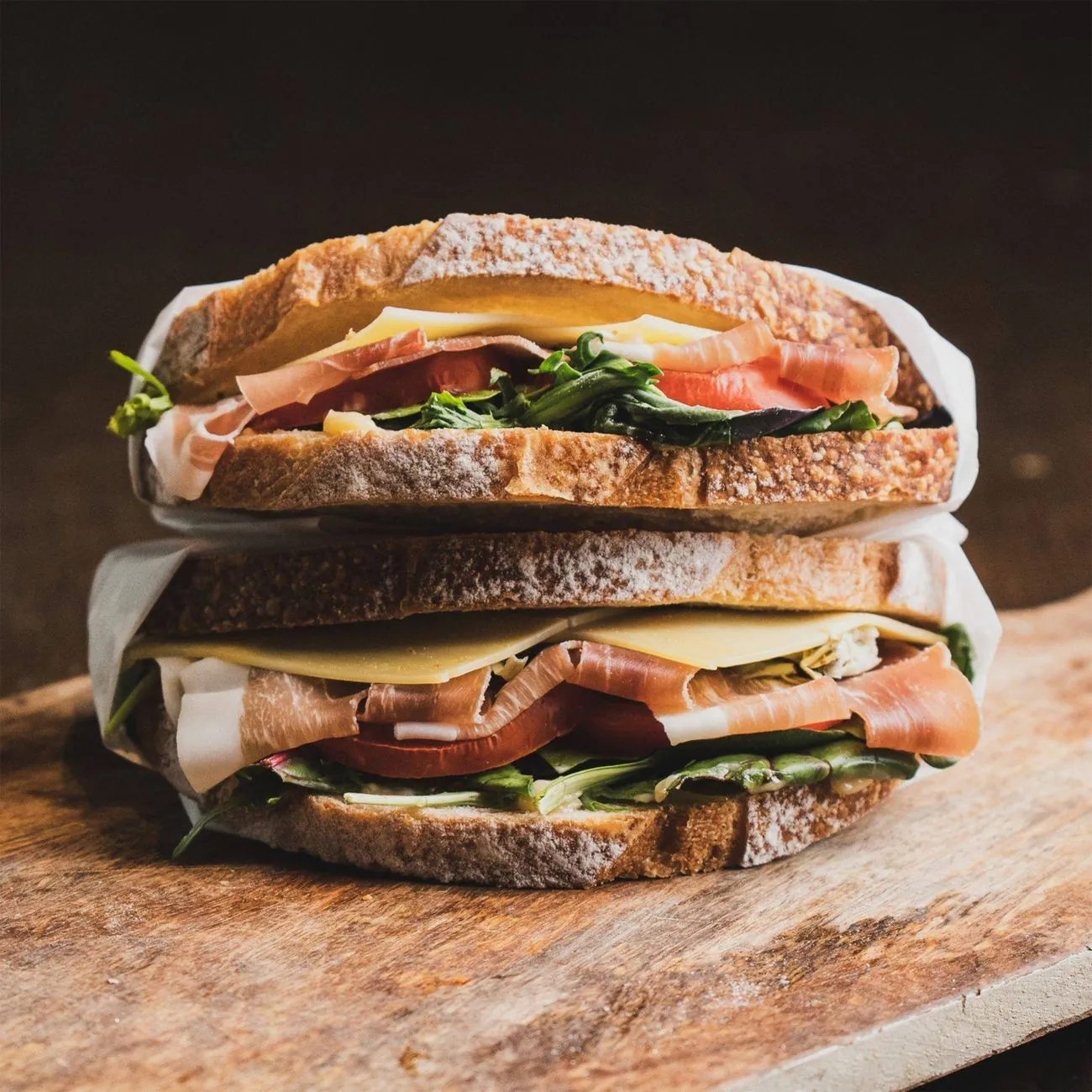
There is a particular note in a child's voice at four in the afternoon — hungry, a little bored, hovering at your elbow while you try to get something else done. The instinct is to solve it quickly, hand over a biscuit, and move on. But that afternoon lull is one of the best openings you will get to build a small, useful skill: making their own snack. A snack is lower stakes than dinner. Nobody's evening rides on it, the ingredients are cheap, and if it goes sideways the worst outcome is a slightly odd-looking plate that the child eats proudly anyway. That low pressure is exactly what makes it the perfect training ground. A child who can put together their own snack has crossed a real line — they can feed themselves a little, they have stopped needing you for every bite, and they have learned that food is something you make rather than something that simply appears. This is a guide to the snacks small children can genuinely manage, mostly on their own, with no sharp knives and no hot stove involved.
Set the stage first
Independence in the kitchen is mostly about setup. A child cannot make their own snack if everything they need lives on a high shelf behind a cupboard door they cannot open. Spend a little time arranging a "yes" zone: a low drawer or a fridge shelf at their height stocked with things they are allowed to help themselves to. Fruit in a bowl they can reach. Yoghurt pots, cheese, crackers, a jar of something spreadable within easy grasp. Child-sized plates and blunt spreading knives in a low drawer. Once the ingredients and tools are reachable, the snack becomes something they can start and finish without calling for you every thirty seconds.
Agree the rules out loud, once, clearly. These are the things you can take without asking. This is where the crumbs go. Wash your hands first. A short, consistent set of boundaries turns free-for-all into calm independence, and it means you can say yes to "can I make a snack?" without bracing for chaos.
No-cook snacks small hands can manage
The best starter snacks need assembling, not cooking. They are built from parts a child can handle, and the result is theirs.
- Spread and top: crackers or rice cakes with soft cheese, hummus or nut-free spread, dotted with cucumber, tomato or fruit on top.
- Yoghurt bowls: a scoop of plain yoghurt with berries, a drizzle of honey and a sprinkle of oats or granola tipped over the top.
- Fruit and dip: apple or banana pieces with a little pot of yoghurt or nut-free butter to dunk.
- Cheese and things: a plate of cheese cubes, crackers and grapes, arranged however they like.
- Build-a-wrap: a soft tortilla, a smear of spread, some cheese and salad, rolled up by hand.
What these share is a shape: a base, a spread or a scoop, and a topping to add. Once a child grasps that pattern, they invent their own combinations, which is the whole point. The plate belongs to them.
Growing into a little more
As hands get more capable, the snacks can gain a step. A five- or six-year-old with a blunt table knife can slice a banana or a soft strawberry onto their toast. They can peel a mandarin or a hard-boiled egg. They can spread butter properly and mash half an avocado onto bread with a fork. A sandwich they build and cut themselves — squashed and lopsided though it may be — is a genuine achievement at this age, and they will eat it with the pride of ownership. None of this needs heat or anything sharp, and all of it stretches what they can do next time.
When the toaster comes in
Toast is often the first bit of real cooking a child does, and it is a good one because the danger is contained and the reward is immediate. With a rule of always asking an adult to be nearby, a careful child can learn to use a toaster, then spread their toast with something once it has popped. Keep the toaster away from the sink, teach them never to poke inside it, and stay in the room. Warm toast they made themselves feels like a milestone, and it is.
Why it's worth the crumbs
Handing a child the job of feeding themselves a snack costs you a wiped counter and a bit of patience. What it gives back is out of proportion to that. They eat a wider range of things, because they chose and built it. They pester you less, because the afternoon hunger has an answer they can reach themselves. They gather small competences — spreading, peeling, pouring, judging when something is enough — that quietly compound into a person who can look after their own hunger. And there is something in the simple pride of it, the plate held up for you to admire, that is worth every fallen crumb. Start with the snack, keep the stakes low, and let the confidence grow one lopsided sandwich at a time.