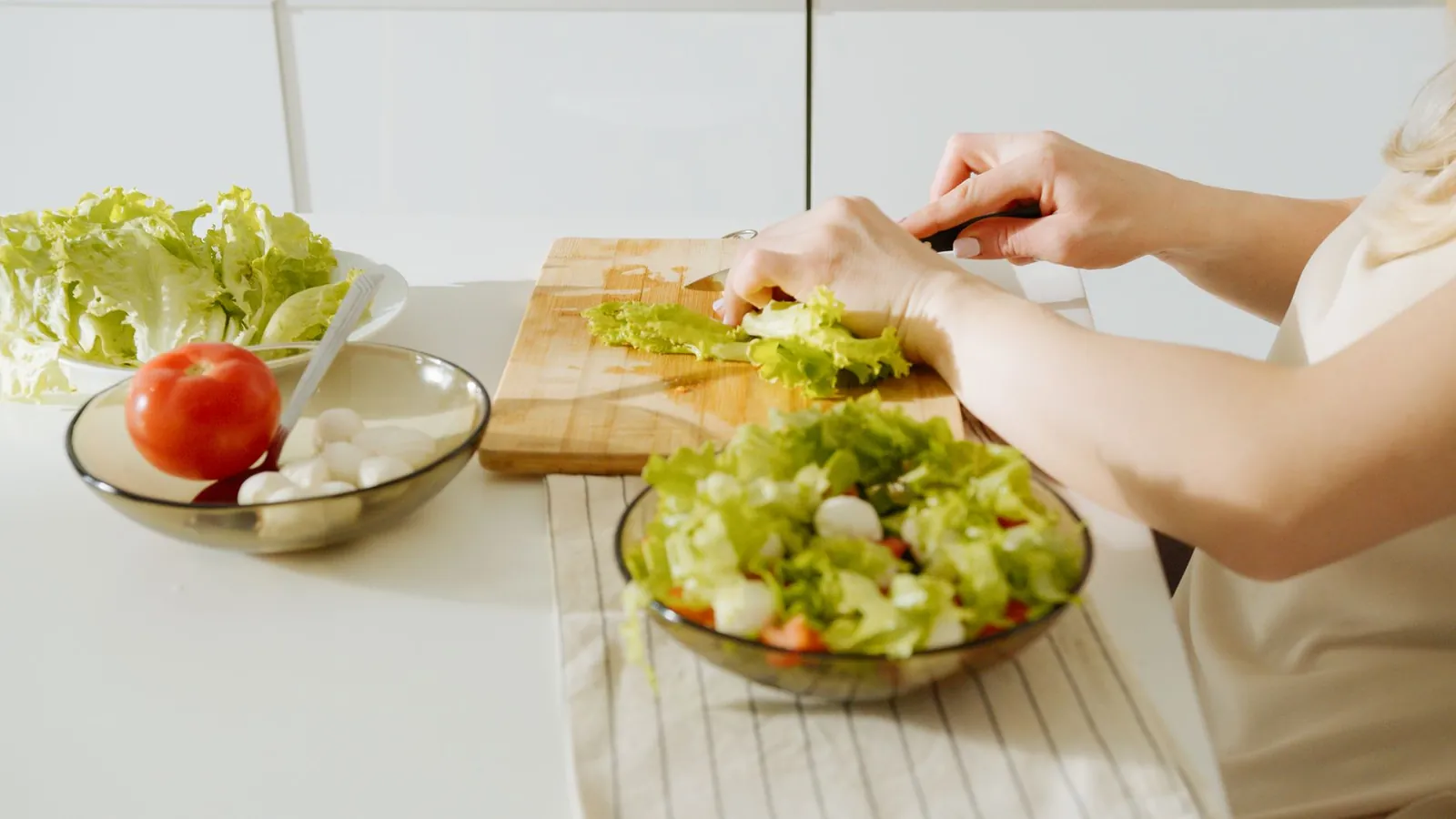
There is a version of cooking with children that everybody dreads: flour on the ceiling, a knife somewhere it shouldn't be, and a job that would have taken you four minutes now sprawling across half an hour of supervision. That version is real, but it usually comes from handing a child the wrong task rather than from children being unhelpful by nature. Small kids are not tiny adults with tiny knives. They are people with real but specific abilities — good at gripping and tearing, terrible at anything requiring a steady blade, delighted by anything they get to sprinkle. Match the job to what those hands can actually manage and something lovely happens. The help becomes genuine, the mess stays inside sensible limits, and the child eats what they had a part in making. This is a guide to the jobs that fit, roughly by age, so bringing a little one into the kitchen feels less like babysitting a hazard and more like having a small, keen sous-chef.
Why bother handing over the job
Beyond the obvious charm of it, there is a practical payoff. Children eat with far more interest when they helped make the food. The vegetable they tore up themselves is no longer a mystery on the plate — it is the thing they made. Helping also builds the ordinary competence we forget has to be learned: how a spoon moves through batter, why you wash your hands first, what a strawberry feels like when it is ripe. None of that arrives on its own. It comes from being allowed to stand at the counter and take part.
It is worth setting expectations low and steady. The point is not a perfectly diced onion. The point is a child who is busy, included, and slowly getting better. Some nights you simply won't have the patience, and that is fine — this is a habit to reach for when you have the room for it, not a rule for every meal.
Toddlers, roughly two to three
At this age hands are clumsy but eager, and the safe jobs are the ones with no sharp edges and no heat. Tearing is the great one: lettuce, herbs, soft bread all come apart in little fingers with satisfying results. Toddlers can wash vegetables in a bowl of water, which they treat as a game and which genuinely gets the mud off. They can stir a batter — badly, with your hand ready to steady the bowl — and they can press cookie cutters into rolled dough. Sprinkling is pure joy at this age: cheese onto pasta, herbs onto a soup, flour onto a board. Expect enthusiasm to outrun accuracy, and keep the amounts small enough that spillage doesn't matter.
Little kids, roughly four to six
Now the fine motor skills are catching up and the range widens fast. A child of four or five can whisk eggs, mash a banana or cooked potato with a fork, and spread butter or soft cheese with a blunt table knife. They can peel things that peel easily — bananas, hard-boiled eggs, mandarins — and they can measure if you let them scoop and level rather than aim for precision. They love assembling: laying toppings on a pizza base, threading soft fruit onto a skewer, building their own sandwich. Give them a whole small task from start to finish, like making the salad while you handle the pan, and they will take it seriously.
The first proper cutting
Around five or six, with close supervision, a child can start cutting soft things with a child-safe knife or even a butter knife — a banana, a mushroom, a strip of soft cheese. Teach the grip early: fingers curled back, the "claw" that keeps knuckles ahead of the blade. Keep the board steady with a damp cloth underneath so it doesn't slide. Go slowly, stay within arm's reach, and stop the moment attention wanders. Cutting is a privilege that grows with focus, and it is far better learned calmly at six than improvised at ten.
Bigger kids, roughly seven and up
By school age a child can own a real part of dinner. They can follow a simple recipe with you nearby, weigh ingredients, crack and separate eggs, grate cheese on the coarse side of the box grater with careful hands, and use a peeler with reasonable safety. Many seven- and eight-year-olds can cook something small at the stove under supervision — scrambling eggs, stirring a sauce, toasting things — as long as pan handles are turned inward and you are in the room. This is the age to let them plan and make one meal a week, however wonky the result. Ownership at this stage plants the confidence that turns into an adult who can feed themselves.
Keeping it calm
A few small habits keep cooking with children from tipping into chaos. Do the messy jobs before the tired hour, not during the six o'clock scramble. Accept that it will take longer and plan the evening around that rather than fighting it. Praise the effort, not the neatness — "you tore all that lettuce yourself" lands better than a correction. And know when to stop: the moment it stops being fun for either of you, wrap the job up, thank them, and let them go and play. A child who leaves the kitchen wanting to come back is worth far more than a perfectly finished dinner. Over months, those small tearing-and-stirring jobs quietly grow into real skill, and one day you look up to find you have a genuine helper standing at the counter.