Somewhere around Wednesday, most families hit the same wall. The novelty of the week's cooking has worn off, everyone is tired, and the question of what to make for dinner starts to feel heavier than it should. The problem is almost never a lack of recipes. Anyone with a phone is drowning in recipes. The problem is that deciding, from scratch, every single evening, what to feed everyone is genuinely exhausting — a small act of willpower repeated at the exact moment your willpower is lowest. The families who seem to cook calmly through the week have usually not found better recipes. They have found a rhythm: a loose, forgiving shape to the week that means most of the decisions are already made before they walk into the kitchen. It is not a rigid meal plan pinned to the fridge, the kind that collapses the first time football runs late. It is something gentler — a set of anchors and habits that carry you through the busy nights and leave room to improvise on the good ones.
Anchors, not a schedule
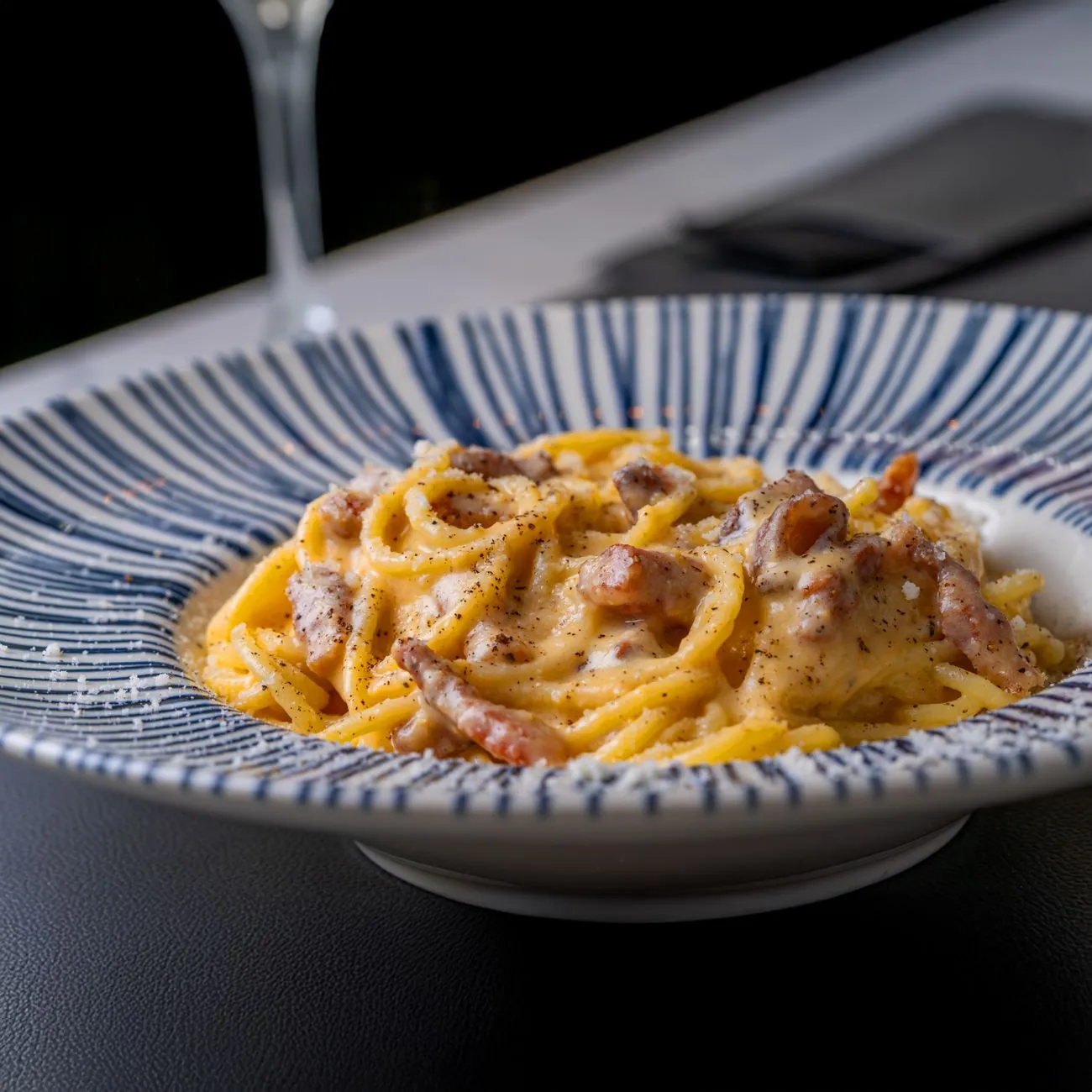
The heart of a relaxed rhythm is a handful of anchor nights: recurring, low-stakes themes that repeat every week in roughly the same slots. Not fixed recipes — themes. Pasta night. A night built around eggs or breakfast-for-dinner. A "use it up" night that clears the fridge into a soup, a fried rice or a tray bake. A slow-cooked or one-pot night for when you are home earlier. Maybe a deliberately easy night — a proper, unapologetic takeaway or beans on toast.
The anchors do the heavy lifting because they remove the biggest cost, which is deciding. On pasta night nobody has to invent dinner; the shape is set, and all that is left is the small, pleasant choice of which sauce. Themes are loose enough to stay interesting — pasta night is different every week — but fixed enough that the week has bones. After a few weeks the family stops asking what's for dinner because the answer is already in the air.
The small prep that pays off
A relaxed week is usually bought with a little effort at a quieter moment. This is not batch-cooking a freezer full of identical stews unless that suits you. It is smaller and more flexible than that. Half an hour at the weekend — chopping onions, roasting a tray of vegetables, cooking a pot of rice or a batch of beans, washing and drying salad leaves — turns three weeknight dinners from a standing start into a quick assembly. The onions are already done. The rice just needs frying. The hard, slow part happened when you had the time, so the tired night only asks for the fast part.
Even a five-minute head start helps. Taking something out of the freezer in the morning, or glancing at the week's anchors over breakfast so nothing needs defrosting in a panic, removes the worst of the evening scramble. The trick is to move the thinking and the slow steps away from six o'clock, when you have the least of everything, into a calmer pocket of the week when you have a little to spare.
Cook once, eat twice
One of the quietest time-savers is simply making more than you need. A double batch of bolognese, chilli or roast vegetables costs almost no extra effort tonight and hands you most of tomorrow's dinner for free. The second appearance rarely feels like leftovers if it changes shape — today's stew becomes tomorrow's pie filling or pasta sauce; today's roast chicken becomes tomorrow's wraps. Building a little planned repetition into the week is not laziness. It is the single easiest way to buy yourself an evening off.
Permission for an easy night
Perhaps the most important part of a sustainable rhythm is the built-in escape hatch. Every week needs at least one night where dinner is barely cooked at all and nobody feels bad about it. Beans on toast. A bowl of cereal and some fruit. Scrambled eggs. A shop-bought pizza with a bag of salad. These nights are not failures to be apologised for; they are the pressure valve that keeps the whole thing going. A family that insists on a proper cooked meal seven nights a week burns out and orders takeaway from exhaustion. A family that plans one easy night on purpose stays calm and, oddly, cooks more overall.
Letting it flex
No rhythm survives a real week untouched, and it shouldn't have to. Practices overrun, someone gets sick, the plan for Tuesday quietly becomes the plan for Thursday. A good weeknight rhythm bends without breaking because it was never a rigid schedule to begin with — just a set of familiar defaults you slide around as the week demands. Some weeks you will lean hard on the anchors and the easy night. Other weeks, with a bit of energy in the tank, you will cook something new and enjoy having the time. Both are the rhythm working. The aim was never a perfect week of home cooking. It was to make the ordinary week feel manageable, so that getting dinner on the table stops being a nightly ordeal and settles into something closer to a habit — one that leaves you enough energy to actually sit down and enjoy the meal you made.