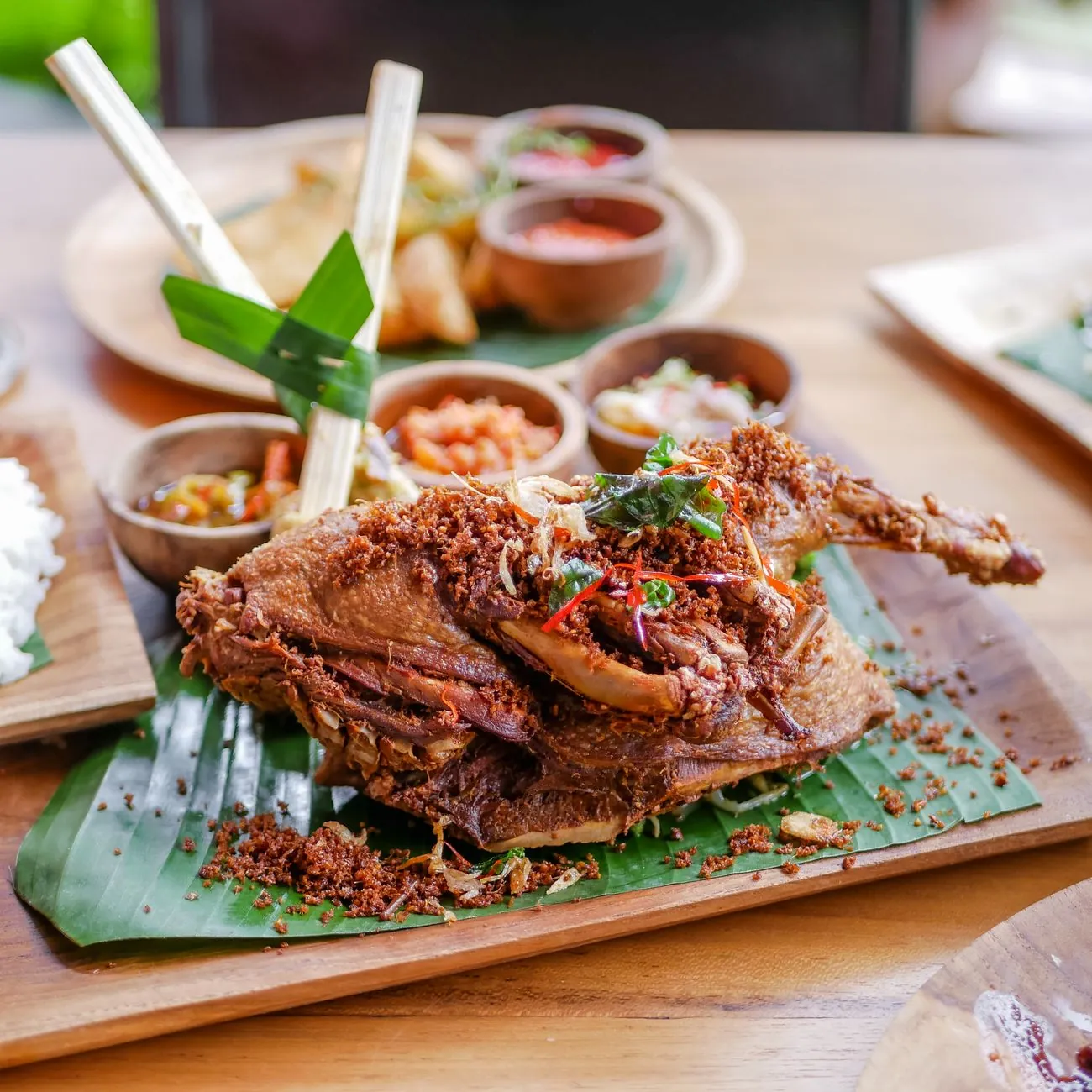
There is a quiet difference between plating up in the kitchen and carrying one big dish to the middle of the table, and it is larger than it looks. When every plate arrives finished, dinner is a transaction: here is your food, eat it. When a single pot, board or platter lands in the centre and everyone reaches in, something else takes over. The meal slows down. People pass, serve each other, wait a beat before diving in. Children see how much there is and take their share of the deciding. The food becomes a thing you do together rather than a thing handed to you. Cultures all over the world have built their most-loved meals around exactly this shape — the shared pot, the communal platter, the dish set down for many hands — and not by accident. One dish in the middle of the table is one of the simplest ways to turn feeding people into gathering them. This is a look at why it works, and how to lean on it without turning every dinner into a production.
Why the middle of the table matters
A dish placed in the centre does a small piece of social engineering. It makes everyone a participant. To eat, you have to reach, serve, pass, and pay a little attention to the people beside you — is there enough, does someone want the last piece, can you pass the spoon. Those tiny courtesies are the connective tissue of a meal, and pre-plated dinners quietly skip them. Serving yourself from a shared dish is also a gentle lesson in judgement for children: take what you'll eat, leave some for others, come back if you're still hungry. It teaches restraint and generosity without a single word of instruction.
It slows the pace, too. A shared dish cannot be inhaled the way an individual plate can; there is passing and portioning built in. That extra minute or two is often where the actual conversation happens — the how-was-your-day that gets lost when everyone eats heads-down over their own plate. The dish in the middle is a reason to linger.
Dishes that want to be shared
Some meals are built for the centre of the table, and they are almost always the homely, generous ones. A big pot of stew, curry or chilli with rice or bread alongside. A whole roast with its vegetables, carved at the table. A tray bake or a baked pasta straight from the oven in its dish. A board of bread, cheese, cold meats and pickles that everyone picks at. A build-your-own spread — tacos, wraps, a mezze of little bowls — where the assembling is half the fun. What these share is abundance and informality. They look like plenty, they invite hands, and they carry no expectation of a tidy plate.
The one-dish approach also happens to be forgiving for the cook. A single large thing is usually easier than several separate components timed to land together. You make one good pot, set it down, and let the table do the serving. Less last-minute plating, less racing to get everything hot at once, more time actually sitting down.
Room for one more
A shared dish has a generosity built into its shape: it stretches. When a plate is portioned in the kitchen, an unexpected guest is a small crisis — there simply isn't a plate for them. When the food is one big dish in the middle, one more person is just one more hand reaching in. You serve a little smaller, add some bread, and nobody goes without. This is why the shared-pot meal is the natural home of hospitality across so many traditions. It says, without ceremony, that there is enough, and that whoever turns up is welcome to it. For a family, that flexibility is worth a lot — the friend who stays after playing, the grandparent who drops by, the extra teenager at the table. A dish made to be shared makes room without fuss.
Let the table serve itself
The small ritual of passing and serving is worth protecting. Resist the urge to portion everything out yourself. Set the dish down, add the serving spoons, and let people help themselves and each other. Younger children may need a hand at first, but even a four-year-old can learn to spoon their own portion with a little coaching. Handing over the serving is handing over a bit of ownership of the meal, and it changes how people sit at the table — as participants, not recipients.
The point of it all
None of this is really about the food, though the food is good. It is about what happens around the dish — the passing, the waiting, the reaching, the making-room. A family that eats from a shared centre, even a few nights a week, is quietly practising the things that hold people together: patience, generosity, attention to the person next to you. And it costs nothing extra. You were going to cook anyway. All that changes is where the dish lands and who does the serving. Put it in the middle, hand out the spoons, and let the meal become the gathering it was always meant to be.